Material testing

Pore size, permeability, distribution. With our own POROLUX Cito L porometer we measure what we sell — and we'll prove it to you too.

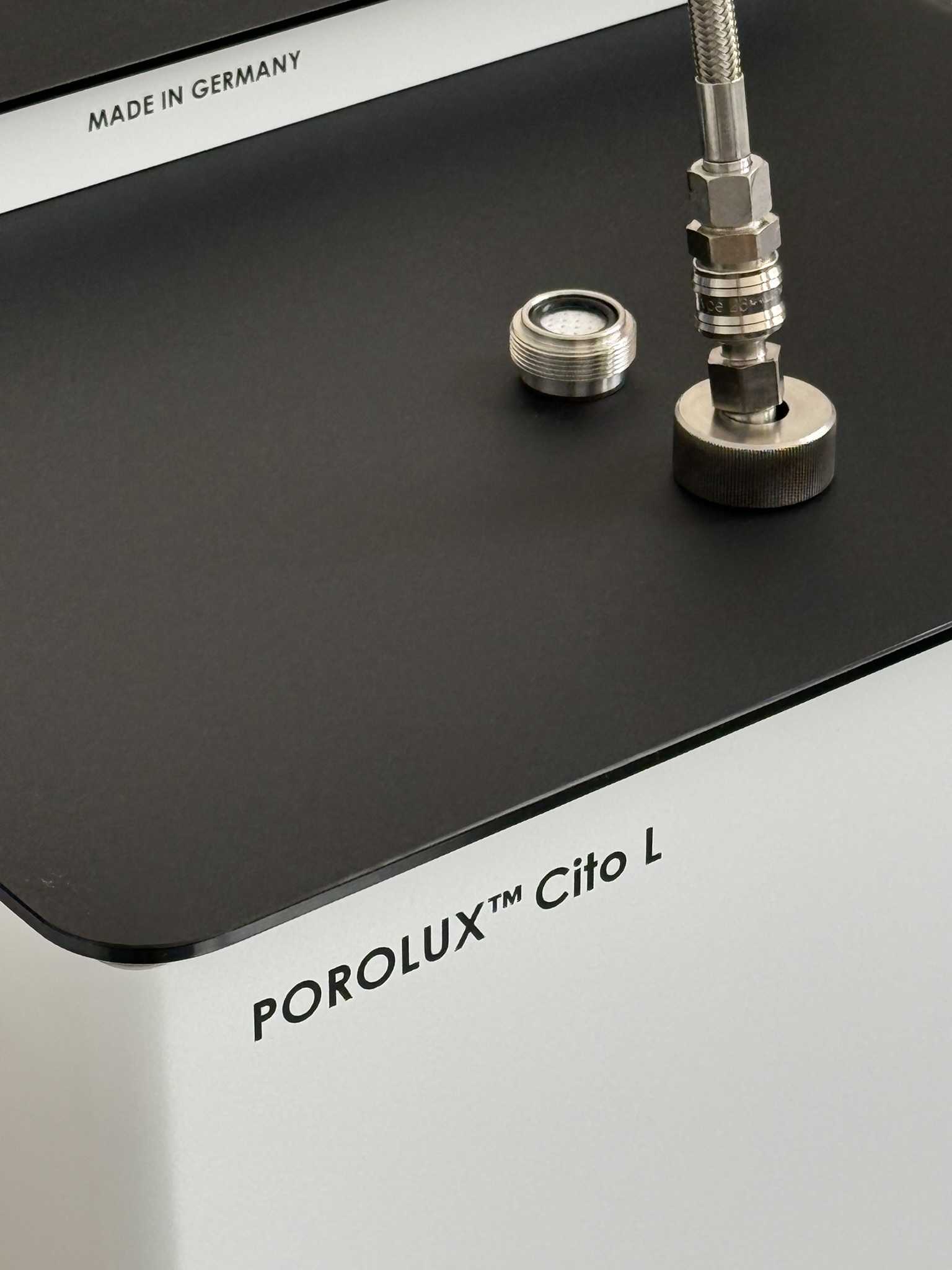
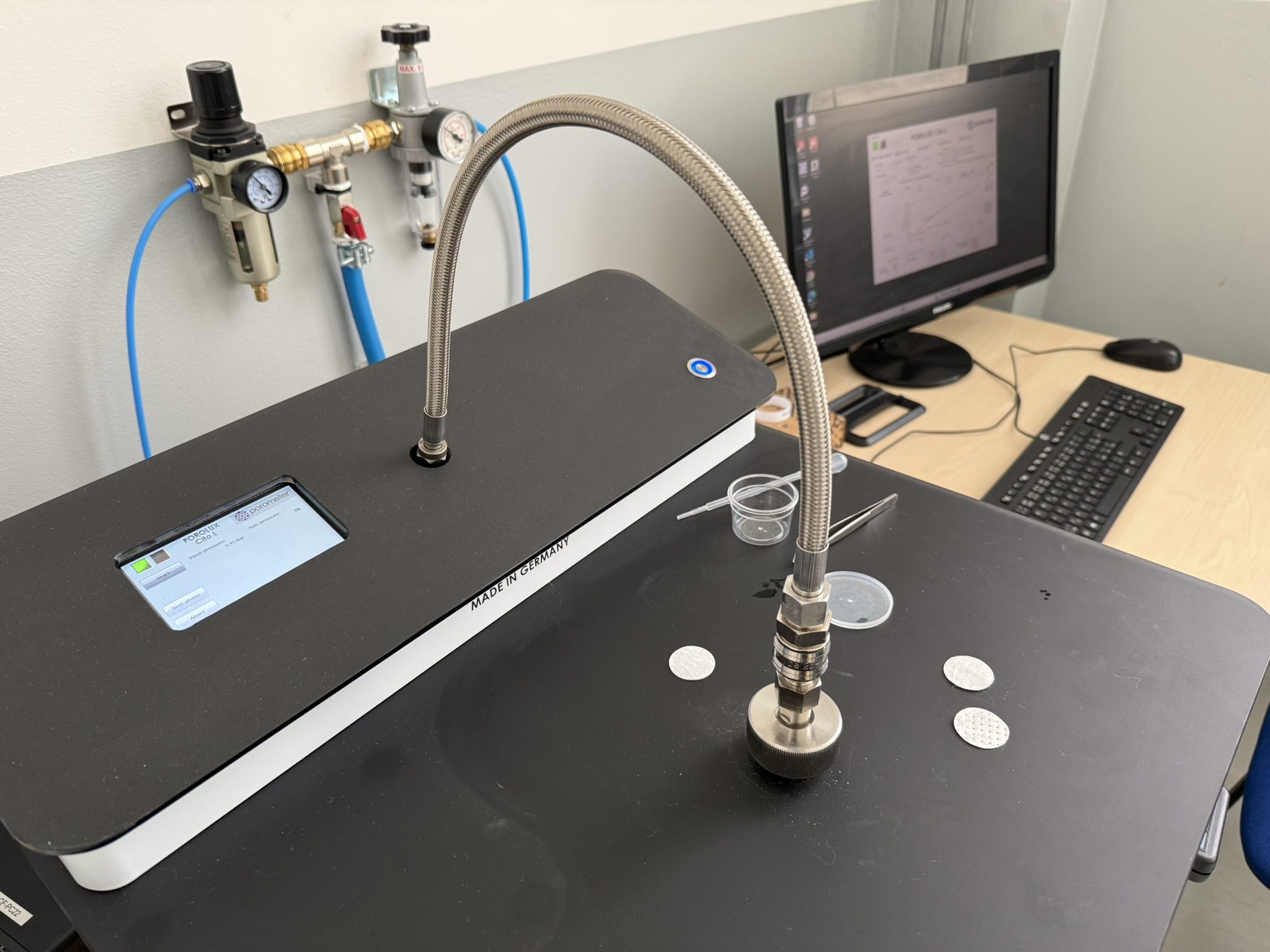
We work with a laboratory porometer POROLUX Cito L (IB-FT Berlin). The measurement uses progressive displacement of the wetting liquid from the pores under nitrogen pressure. From the flow / pressure curve, the software calculates the pore size distribution and the permeability.
 Pore size

We measure the largest pore (First Bubble Point), the mean flow pore and the smallest detected pore. Range 0.31 µm – 300 µm.

Permeability

Gas permeability on a dry sample. Optionally in Gurley and Frazier units for international standards.

Pore distribution

The percentage share of individual pore sizes in the material. The output is a percent flow / pore diameter graph and a cumulative distribution curve.

Batch comparison

We measure several samples by the same method and compare them in a single report. Useful when comparing roll suppliers or checking production consistency.

Testing for external companies

We also test materials we didn't make. Send a sample and you'll get a report in Excel or Word. We'll agree the price based on the scope.

Lorem ipsum dolor sit amet

image of plumbing equipment detail
Testing in our laboratory

How large a sample do you need?

A sample of at least 50 × 50 mm is enough. If you have the material in a roll or a larger format, we'll cut it ourselves.
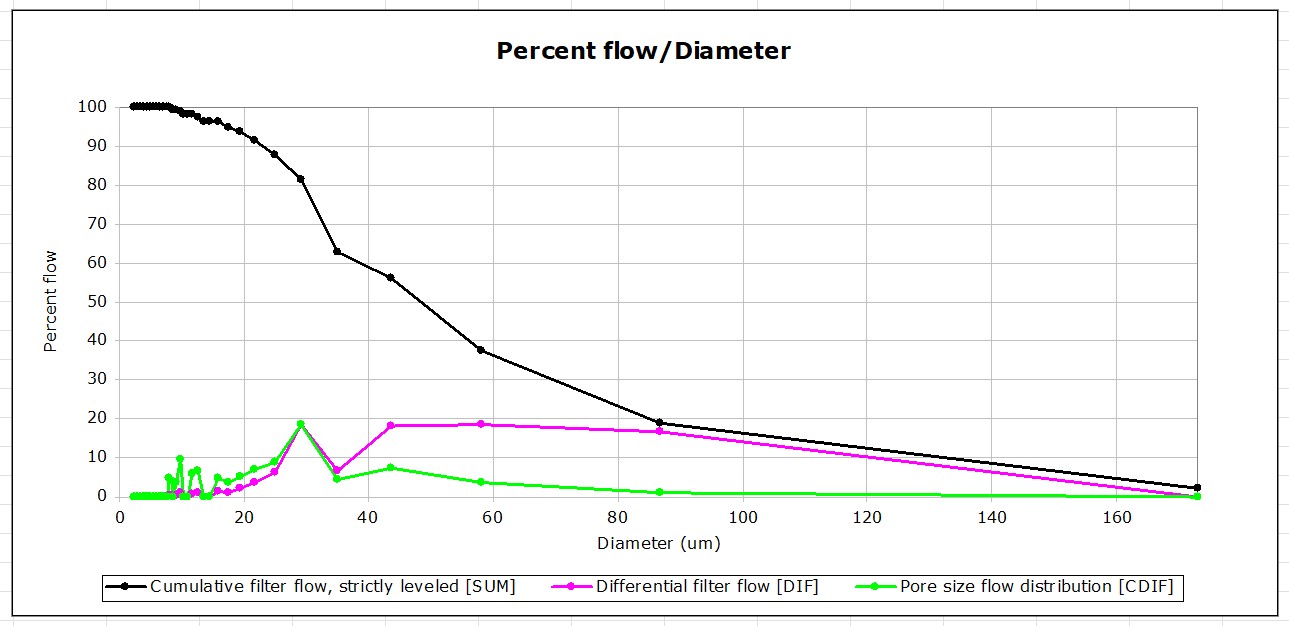
image of air conditioning repair (for an automotive service)
Example of an output report

What do you get as a result?

A report in Excel or Word — flow/pressure curves, pore size distribution, FBP and MFP values, and permeability. We archive the raw data for later recalculation.
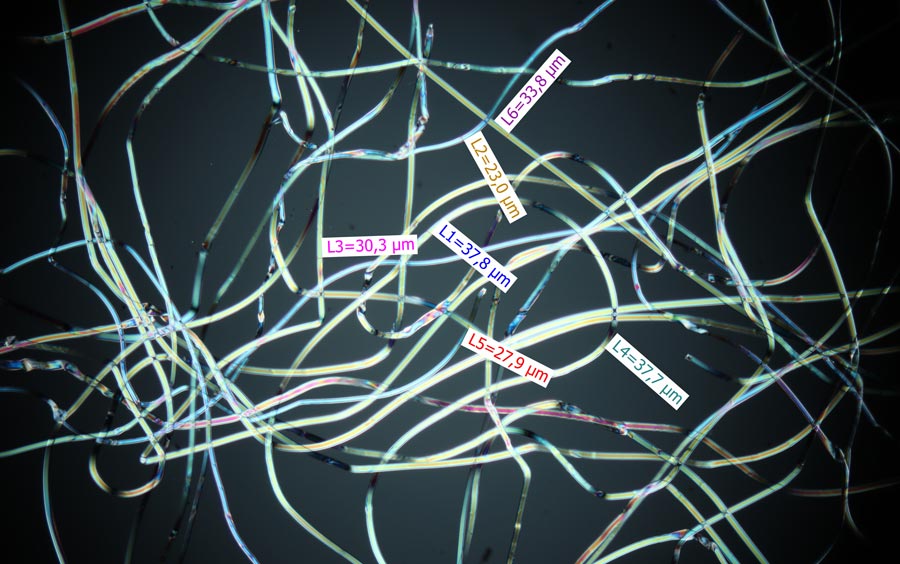
image of service center (for an auto dealership)
Nonwoven under the microscope

How long does the measurement take?

One full-porometry measurement takes about 20 minutes. The standard turnaround for the report is within 5 working days of receiving the sample.